


The Things Estate Agents in France Might Not Tell You

Buying a property in France can be an exciting experience, but if you are used to buying a home in the UK or US, you may find that the process works a little differently. Estate agents, known as agents immobiliers, can be a valuable source of information, but there are some things every buyer should understand before making an offer.
Here are a few things worth knowing when searching for your French property.
The Asking Price May Not Be the Final Cost
The advertised price is only part of your budget. You will also need to allow for purchase costs, including taxes and fees associated with the notaire, as well as any renovation or maintenance work.
Check whether the advertised price includes the agency fees and who is responsible for paying them. You should also ask for an estimate of the additional purchase costs so you can calculate your total budget.
The Property May Need More Work Than You Think
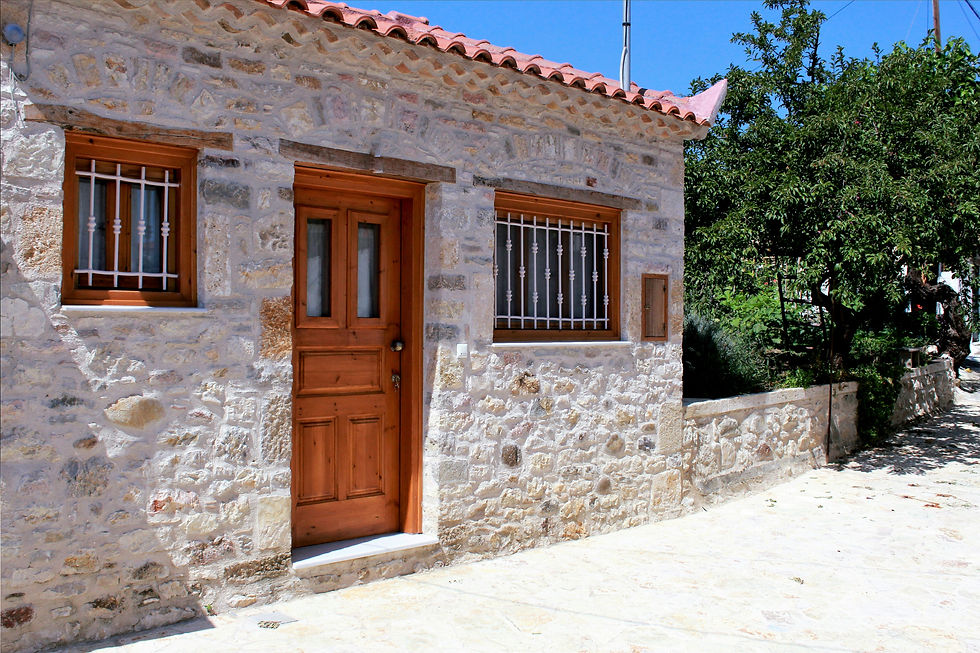
A charming stone house with exposed beams and original features might look perfect during a viewing, but appearances can be deceiving. Older properties may need improvements to insulation, heating, roofing, electrics or plumbing.
French properties come with various diagnostic reports, including an energy performance assessment where applicable. These are useful, but they are not a substitute for a thorough inspection. If you have concerns, consider seeking independent professional advice before committing.
You Cannot Assume You Can Make Changes
Planning to install a swimming pool, convert a barn or extend the house? Do not assume you will automatically be allowed to do so.
Planning restrictions, local planning rules and the property's location can all affect what is possible. Check with the local authority before buying if your plans depend on making alterations.
Location Matters More Than You Might Expect
A property may be beautiful and inexpensive, but how practical will it be for everyday life? Rural homes can be some distance from supermarkets, doctors, public transport and other essential services.
Visit the area at different times of year, particularly if you are planning to live there permanently. A village that feels lively during the summer may be much quieter in winter.
The Buying Process Has Important Legal Stages
In France, the notaire plays a central role in the legal transfer of property. Once you sign a preliminary contract, known as a compromis de vente or, in some circumstances, a promesse de vente, you may be entering into a legally binding commitment, subject to the contract's terms and any applicable withdrawal rights or conditions.
Do not sign anything you do not understand. Ask questions, have documents explained and make sure any necessary conditions, such as obtaining finance, are properly included in the contract.
The Estate Agent Works Within a Particular Transaction
An estate agent can help you find a property, arrange viewings and negotiate with the seller. However, their role is not the same as providing independent legal, tax or building advice. They may also be acting on behalf of the seller.
That does not mean you should distrust estate agents. It simply means you should ask questions, verify important information and seek independent advice where appropriate.
Do Your Homework Before You Buy
The French property market offers wonderful opportunities, from village houses and rural farmhouses to modern homes near the coast. The key is to look beyond the photographs and asking price.
Ask about the property's condition, running costs, boundaries, planning restrictions and local amenities. Understand the buying process and make sure your budget covers more than the purchase price.
The more questions you ask before buying, the fewer surprises you are likely to encounter later. And that puts you in a much better position to find a French property that genuinely suits your plans.


Comments